
Limiting Fine Art Prints: Creating Scarcity and Value
In the world of fine art, the concept of scarcity plays a crucial role in shaping how artwork is perceived and valued. Limiting the number of fine art prints creates a sense of exclusivity that greatly enhances desirability and perceived value. Collectors are naturally drawn to exclusive editions, as rarity not only increases emotional appeal but also holds significant potential for long-term pricing. This article delves into how controlled edition sizes can help artists protect the value of their work and position it as collectible rather than merely decorative.
The Importance of Scarcity in Art Collecting
Scarcity is a fundamental principle that drives many markets, and the art world is no exception. When an artist limits the number of prints made from an original work, they effectively create an environment of exclusivity. This exclusivity makes the piece more desirable to collectors. It is a psychological phenomenon; the fewer available items there are, the more valuable they seem. This principle can be observed in various fields, from luxury goods to real estate, where limited availability often leads to heightened demand.
For example, consider a renowned artist who decides to release only 50 prints of a specific piece. Collectors will view these prints as rare treasures, and the value of each one can increase significantly over time. This sense of urgency often leads to competitive bidding among buyers, further driving up the price. The anticipation of acquiring a limited piece can also lead to a vibrant secondary market, where previous owners may resell their prints at a profit, thereby increasing the overall allure of the print itself. The story of Banksy, whose limited editions have seen astronomical appreciation, illustrates how scarcity can drive both demand and price in the art market.
Emotional Appeal of Exclusive Editions
Fine art is not just about aesthetics; it is often intertwined with emotions and personal stories. Collectors develop a personal connection to art, and owning a limited edition piece can enhance that emotional bond. Exclusive editions often tell a story or evoke strong feelings, making them more appealing to buyers. For instance, a limited print can represent a moment in time, a unique perspective, or a profound experience, which resonates deeply with collectors. This emotional connection can be the difference between a simple decorative piece and a treasured investment.
When collectors know they own a unique piece, it can create a sense of pride and accomplishment. This emotional appeal is a powerful motivator for purchasing decisions. Moreover, it fosters a community among collectors who share similar tastes and values regarding exclusivity and rarity. The connections formed within this community can lead to a network of support that benefits both collectors and artists, as they share insights, recommendations, and even trade pieces, further enhancing the value of the works involved. Events like gallery openings and art fairs become social gatherings where collectors celebrate their mutual interests, deepening their engagement with the art world.
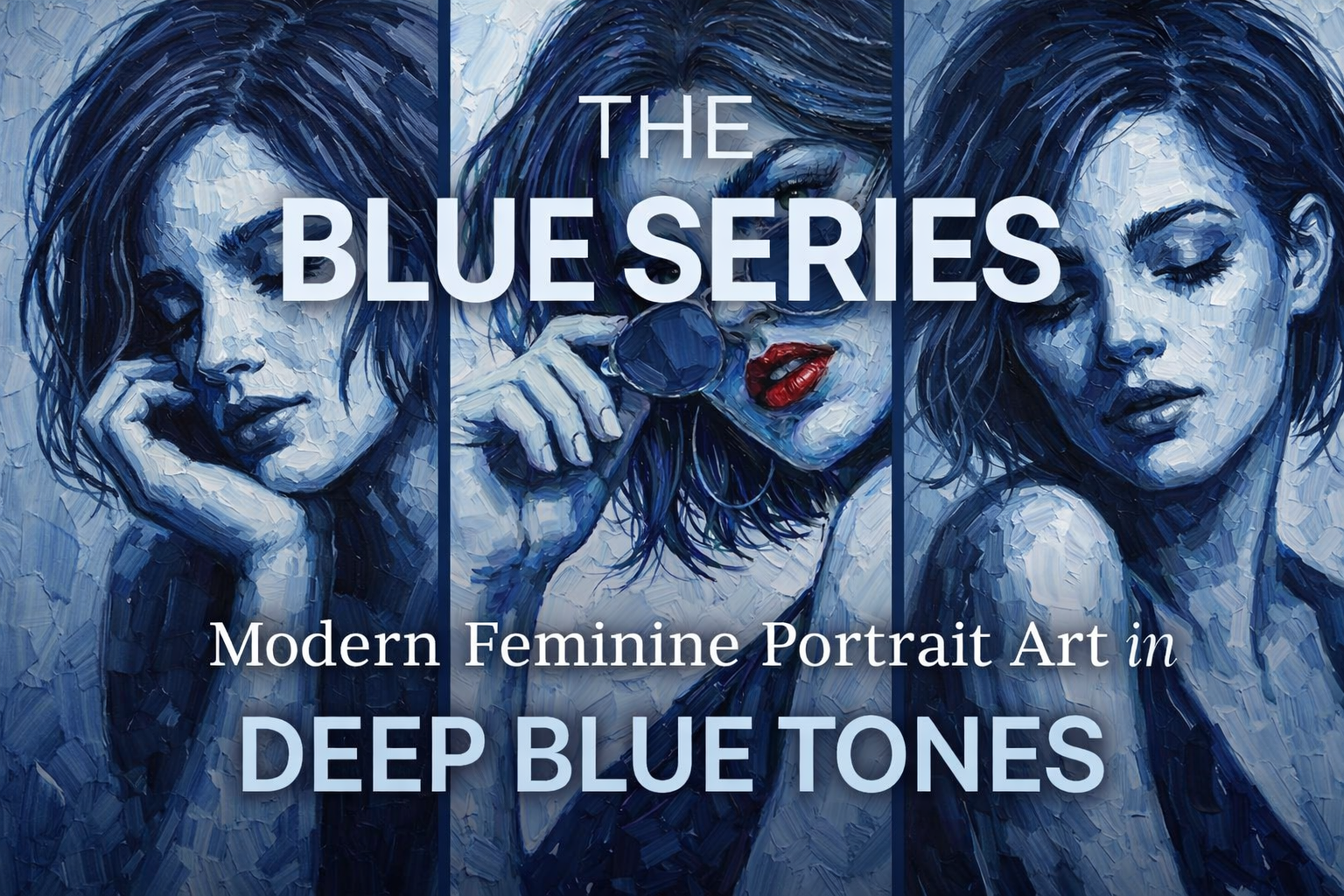
This emotional depth becomes especially visible in the Blue Series, where blue is used as both structure and atmosphere rather than decoration.
Long-term Pricing Potential
Investing in fine art can be a lucrative endeavor, especially when it comes to limited editions. The controlled supply of prints can lead to increased demand, which is essential for sustaining or growing the artwork’s value over time. When an artist thoughtfully limits the number of prints, they not only enhance the piece’s desirability but also ensure its long-term pricing potential. This effect can be particularly pronounced in the case of artists who gain recognition or whose work becomes iconic over time.
For instance, many art investors keep a close eye on the market trends for specific artists. They understand that as the artist’s reputation grows, the value of their limited edition prints will likely rise as well. This understanding encourages collectors to invest in these pieces, anticipating future appreciation in value. Collectors often track auction results and market analyses to gauge potential investment opportunities. Additionally, some collectors view these prints as a hedge against inflation, recognizing that tangible assets like art can often outperform traditional investments during economic fluctuations. This perspective highlights the strategic nature of art collecting as both a passion and a financial investment.
Controlled Edition Sizes: A Strategy for Artists
Artists often face the challenge of positioning their work in a way that appeals to collectors while also ensuring their financial stability. By controlling the edition sizes of their prints, artists can strategically manage their market presence. This strategy allows them to create a narrative around their work, establishing it as collectible rather than just decorative. The decision on how many prints to produce can be influenced by factors such as the complexity of the work, production costs, and anticipated demand. For example, a highly detailed piece may warrant a smaller edition size to maintain exclusivity, while a simpler design could potentially accommodate a larger run.
Consider artists like Andy Warhol, whose limited edition prints have become cultural icons. Warhol’s approach to printmaking involved not only the creation of limited editions but also the marketing of those prints as valuable collectibles. His ability to generate buzz around his work helped to establish a framework that many contemporary artists follow today. This includes leveraging social media platforms, art fairs, and exhibitions to promote their limited editions and engage potential buyers directly. Warhol’s strategic use of celebrity culture and media further amplified the desirability of his prints, demonstrating how an artist’s branding can enhance perceived value.
Modern living is increasingly about creating spaces that feel balanced and authentic. People are moving away from overly styled homes and toward environments that reflect personality and calm. Art plays a central role in that transformation. Instead of following trends, many are choosing pieces that carry emotional presence and visual simplicity. A great example of this shift can be seen in the rise of fine art boho in contemporary homes, where thoughtful design meets expressive artwork. It is not about adding more, but about choosing better.
Building Trust with Buyers
When collectors purchase fine art, they often seek assurance regarding the authenticity of their investment. Controlled edition sizes, along with certificates of authenticity (COAs), help build trust between the artist and the buyer. A COA guarantees that the print is an original piece from the artist, reinforcing its value. This layer of trust is essential, especially in a market that can sometimes be fraught with counterfeit or misrepresented works. The importance of provenance, or the history of ownership of a piece, cannot be understated, as it can significantly influence value and collectability.
For artists, providing COAs along with limited edition prints can significantly boost buyer confidence. This trust is crucial in maintaining a loyal customer base and encouraging repeat purchases. When collectors feel secure in their investment, they are more likely to promote the artist’s work to others, further enhancing its desirability. Veteran collectors often prioritize the presence of a COA when considering a purchase, as it serves as a vital piece of documentation that can protect their investment. Furthermore, artists can enhance their credibility by maintaining transparent communication about their creation process and edition sizes, thereby fostering a stronger relationship with their audience.
The Role of Marketing in Creating Scarcity
Marketing plays a pivotal role in creating and maintaining the perception of scarcity in the fine art market. Artists and galleries must effectively communicate the exclusivity of limited edition prints to attract potential buyers. This involves not only the quality of the artwork but also the narrative surrounding it. Effective marketing strategies may include storytelling, showcasing the artistic process, and highlighting the emotional connection between the artwork and the viewer. A well-crafted narrative can transform a simple print into a story that collectors want to be a part of.
By creating a buzz around limited editions, artists can enhance their appeal and encourage collectors to act quickly to secure their piece. Utilizing digital marketing tools, such as email newsletters and social media campaigns, artists can reach a broader audience and create a sense of urgency around their limited prints. Engaging storytelling can make a significant impact by allowing potential buyers to connect with the artist’s vision and the significance of the limited edition. Marketing efforts can also include collaborations with influencers and participation in online art marketplaces, further expanding reach and visibility.
This is also why blue portrait art feels so powerful in modern interiors, where color directly influences the emotional tone of a space.
Q&A Section
What is a limited edition print?
A limited edition print is a reproduction of an original artwork, produced in a restricted number. Each print is usually numbered and often comes with a certificate of authenticity. This numbering system can further enhance the value and desirability of each print, as it provides a clear indication of how many exist in total.
Why are limited edition prints more valuable?
Limited edition prints are more valuable due to their scarcity. Collectors are willing to pay more for pieces that are rare and exclusive, as they perceive them to hold greater potential for appreciation. The limited nature of these prints often creates an urgency among buyers, leading to competitive bidding and increased prices. This dynamic can be seen in auctions, where the excitement surrounding limited editions often leads to higher bids than for open editions.
How should artists determine edition sizes?
Artists should consider their market, the popularity of their work, and the potential for future appreciation when determining edition sizes. It’s crucial to find a balance that maximizes desirability without flooding the market. Understanding the target audience and their buying habits can also play a significant role in making these decisions. Some artists might conduct surveys or engage with their collectors to gauge interest and preferred edition sizes, ensuring they align with market expectations.
Can limited edition prints appreciate in value?
Yes, limited edition prints can appreciate in value, especially if the artist gains recognition over time. The combination of rarity and demand can lead to significant increases in price. Many collectors view these prints as investments, holding onto them with the expectation of future appreciation. Historical examples abound, with artists like Shepard Fairey and Takashi Murakami seeing their limited editions soar in value as their careers progressed.
What should collectors look for in a limited edition print?
Collectors should look for the artist’s reputation, the edition size, and the presence of a certificate of authenticity. These factors can significantly influence the value of the print. Additionally, the condition of the print and any unique characteristics, such as hand embellishments or artist signatures, should also be considered. Engaging with fellow collectors and experts in the field can also provide insights into what makes a particular print more desirable.
How does controlled edition size affect an artist’s career?
Controlled edition sizes can help an artist establish a brand and build a loyal following. By creating a sense of exclusivity, artists can enhance their market presence and drive demand for their work. This strategic approach not only helps them maintain higher prices but also fosters relationships with collectors who appreciate the uniqueness of their offerings. Many successful artists have leveraged limited editions to build their careers, turning their prints into sought-after commodities that command significant attention and respect in the art world.
Conclusion
Limiting the number of fine art prints creates scarcity, which in turn increases both desirability and perceived value. Collectors gravitate toward exclusive editions as rarity enhances emotional appeal and long-term pricing potential. By controlling edition sizes, artists not only protect the value of their work but also position it as a collectible. This strategic approach can elevate an artist’s career, fostering a loyal community of collectors who appreciate the uniqueness of each piece.
In the end, the fine art market is driven by the interplay of scarcity and desirability. Artists who embrace this concept can enjoy the benefits of a thriving market, while collectors can take pride in their exclusive acquisitions. As we continue to explore the dynamics of art collecting, it becomes evident that limited edition prints are not just decorative items; they are valuable assets that reflect the passion and creativity of the artists behind them.
For further reading, consider exploring the following articles: Ultimate Guide to Giclée Hahnemühle Fine Art Paper and Fine Art Print Editions: Scarcity Drives Price.
References
U.S. National Archives: https://www.archives.gov/
Miss Art Lover and the Rise of Fine Art Boho in Modern Interiors
