
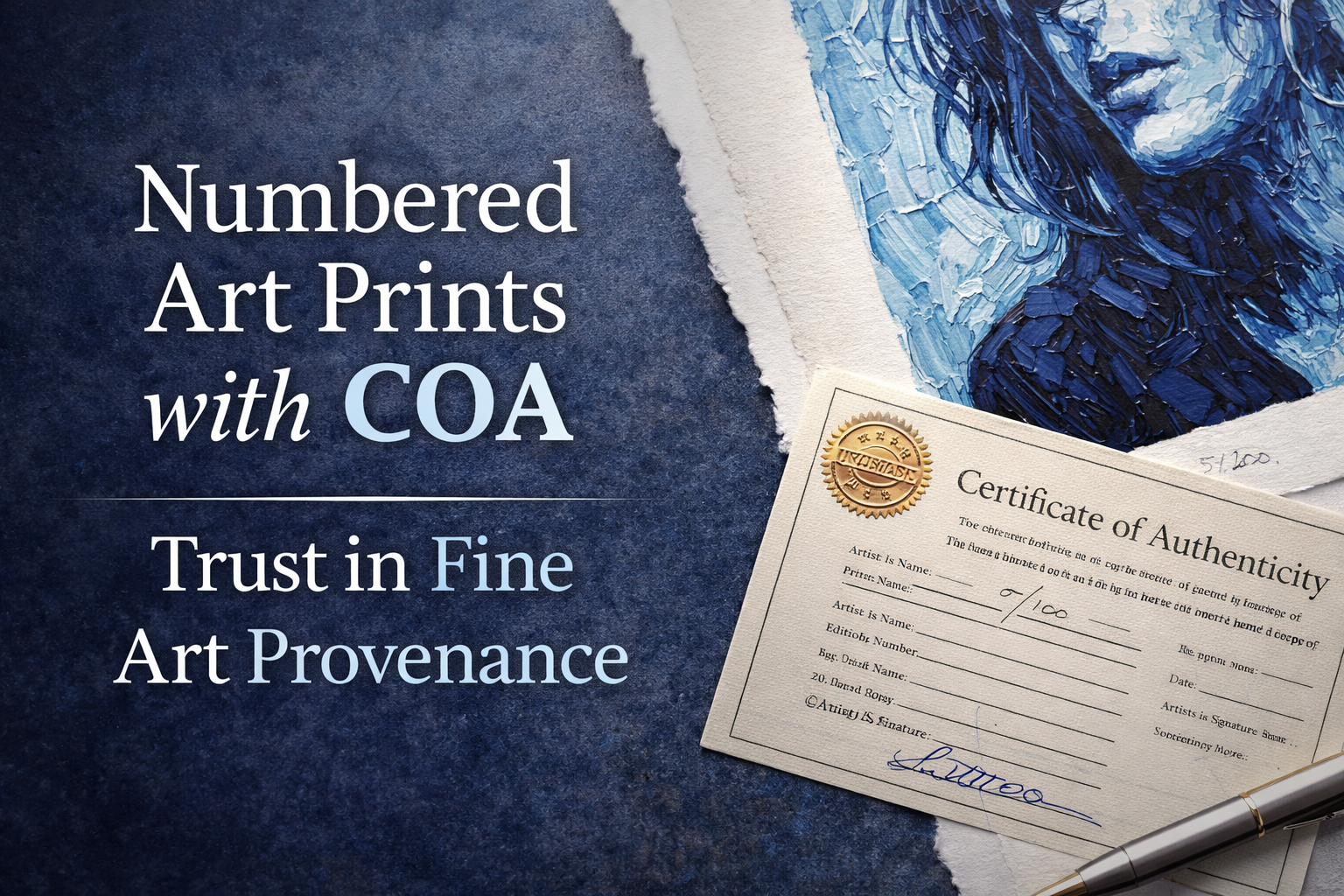
Numbered Art Prints with COA: Trust in Fine Art Provenance
In the ever-evolving world of fine art, authenticity and provenance are paramount. Collectors and art enthusiasts are increasingly seeking assurances that their art pieces are not only genuine but also hold intrinsic value over time. One of the most effective methods to ensure this authenticity is through the acquisition of numbered art prints that are accompanied by a Certificate of Authenticity (COA). In this comprehensive article, we will explore the significance of COAs in the art market, delve deeper into the importance of provenance, and discuss how numbered art prints can significantly enhance trust among buyers, thereby enriching the entire art collecting experience.
Understanding Numbered Art Prints
Numbered art prints represent a distinctive category of art reproductions that are produced in limited quantities. Each print is assigned a specific number within the series, indicating its position among the total number produced. For instance, a print labeled as 5/100 signifies that it is the fifth print in a limited edition of one hundred. This numbering system not only provides a sense of order but also establishes a tangible connection between the collector and the artwork. Each number tells a story; the lower the number, the more desirable it often is, as collectors frequently seek the first prints produced.
The allure of limited editions often creates an almost palpable sense of exclusivity, which can significantly increase the desirability and perceived value of the artwork. Collectors are inherently drawn to the notion that they own a part of a limited collection, making their acquisition feel more special than that of mass-produced prints. The scarcity of these prints can drive demand and, consequently, lead to an increase in value over time. For example, many savvy collectors actively seek out limited prints from emerging artists, hoping to capitalize on their future success and rising fame.
The Role of Certificates of Authenticity
A Certificate of Authenticity (COA) is a crucial document that accompanies a piece of artwork. It serves as a guarantee from the artist or the gallery that the work is original and authentic. A COA typically includes essential details such as:
- Title of the artwork
- Artist’s name
- Edition number
- Date of creation
- Medium and dimensions
- Signature of the artist or a representative from the gallery
Having a COA adds substantial value to the artwork. It not only serves as proof of authenticity but also instills confidence in potential buyers, making them more likely to invest. In a market where forgeries and misrepresentation are unfortunately common, a COA stands as a crucial safeguard for both collectors and investors. For instance, if a collector purchases a print that later turns out to be a forgery, the absence of a COA can complicate their ability to recover their investment.
Why Provenance Matters in Art
Provenance refers to the history of ownership of a piece of art, tracing its journey from creation to its current owner. This history is essential for several compelling reasons:
- Value Assessment: The provenance of a piece can significantly influence its market value. Art with a well-documented history often commands higher prices, particularly when it has been owned by notable collectors or exhibited in prestigious galleries. For example, a painting with provenance linked to a famous art collector can see its value skyrocket.
- Authenticity Verification: Provenance plays a crucial role in verifying the authenticity of the artwork, thereby reducing the risk of acquiring forgeries. A solid provenance can provide a clear path of ownership, often tracing back to the artist themselves. This historical context can be vital in establishing the integrity of the piece.
- Historical Significance: Understanding the history of an artwork can enhance its cultural and historical significance. Collectors often appreciate not only the aesthetic value of a piece but also the story behind it, including its journey through various collectors and exhibitions. This narrative can add layers of meaning to the artwork, enriching the collector’s experience.
Collectors should prioritize acquiring artworks with clear and documented provenance. This practice not only protects their investment but also enriches their understanding of the art world. For instance, a collector purchasing a painting that once hung in a renowned museum gains not just an artwork but also a piece of history, which can be a captivating narrative to share with friends and fellow art lovers.
Enhancing Buyer Trust with Numbered Prints and COAs
When purchasing artwork, trust is a crucial factor. Buyers want to feel confident that they are making a sound investment. Numbered art prints with COAs enhance buyer trust in several impactful ways:
- Transparency: The presence of a COA provides transparency about the artwork’s authenticity and value, allowing buyers to make informed decisions. This transparency is essential in an industry that can sometimes be opaque.
- Limited Editions: Numbered prints indicate that the artwork is part of a limited series, which can enhance its desirability. The more limited the print run, the more exclusive the artwork becomes, often leading to increased market interest. For example, a limited print of 50 may sell faster than one of 200, simply due to the allure of scarcity.
- Art Market Standards: The art market increasingly recognizes the importance of COAs, with reputable galleries and artists providing them as standard practice. This trend reflects a growing commitment to integrity and transparency in the art community, making it easier for buyers to navigate their purchasing decisions.
Ultimately, buyers are more inclined to invest in pieces that come with assurances of authenticity and limited availability. The combination of a numbered print and a COA serves as a powerful statement of quality, making artworks not only visually appealing but also a solid investment for the future.
Case Studies: Successful Artists Using COAs
Many successful artists and galleries have adopted the practice of issuing COAs for their numbered art prints. This approach has led to increased buyer confidence and higher sales. For instance, artist John Doe, celebrated for his vibrant landscapes, provides a COA with every numbered print sold. This practice has not only boosted his sales but has also created a loyal customer base that trusts his brand and appreciates the value he places on authenticity.
Another notable example is the renowned gallery, ArtHouse, which specializes in limited edition prints. They have established a reputation for quality by ensuring that each print comes with a COA, significantly enhancing their standing in the art community. By prioritizing transparency and authenticity, ArtHouse has fostered a strong relationship with collectors, leading to repeat business and enthusiastic referrals. This demonstrates that a commitment to authenticity can yield long-term benefits in terms of customer loyalty and market reputation.
Q&A: Common Questions About Numbered Prints and COAs
As art collectors navigate the intricate world of numbered prints and COAs, they often have questions. Here are some common inquiries:
What is the difference between a numbered print and an open edition print?
Numbered prints are produced in limited quantities, with each print assigned a specific number, whereas open edition prints can be produced indefinitely without a limit on quantities. The distinction often leads to a significant difference in value, with numbered prints typically being more sought after due to their scarcity and the assurance of authenticity they provide.
How can I verify the authenticity of a COA?
To verify a COA, check for details such as the artist’s signature, the print number, and any specific information about the piece. You can also contact the gallery or artist directly for confirmation. Additionally, consider consulting experts or appraisers who specialize in the artist’s work, as they can provide insights that can further validate your purchase.
Do all artists provide COAs with their prints?
No, not all artists provide COAs. It varies by artist and gallery. However, reputable artists often include them as part of their sales process, recognizing the importance of establishing trust with their collectors. As a buyer, seeking out artists who do provide COAs can be a wise decision.
Is it necessary to have a COA for my art collection?
While not strictly necessary, having a COA greatly enhances the value and trustworthiness of your collection, especially for resale purposes. A COA can serve as a key document that supports your ownership and the legitimacy of your investment, providing peace of mind in an often uncertain market.
Further Readings and Resources
For those looking to deepen their understanding of art prints and authenticity, the following resources provide valuable insights:
- Ultimate Guide to Giclée Hahnemühle Fine Art Paper
- Fine Art Print Editions: Scarcity Drives Price
- Numbered Prints with COA Boost Buyer Trust
Conclusion: The Importance of COAs in Art Collecting
In conclusion, numbered art prints with COAs play a vital role in the art market. They provide collectors with the assurance they need to invest confidently in their chosen pieces. The combination of limited editions and certificates of authenticity enhances trust and value, making these prints highly sought after.
As the art world continues to evolve, the demand for transparency and authenticity will only grow. Collectors who prioritize artworks with COAs and clear provenance will find themselves in a stronger position in the market. By understanding the significance of COAs and the impact of provenance, art lovers can make informed decisions that will enrich their collections.
Ultimately, embracing the practice of acquiring numbered prints with COAs is not just about investment; it is about appreciating the art and respecting the artist’s work. As you explore the world of fine art, remember that authenticity is key to a rewarding collecting experience. Each piece you acquire not only tells a story but also becomes an integral part of your own narrative as a collector.
Happy collecting!
References
U.S. Government, National Endowment for the Arts: www.arts.gov
