
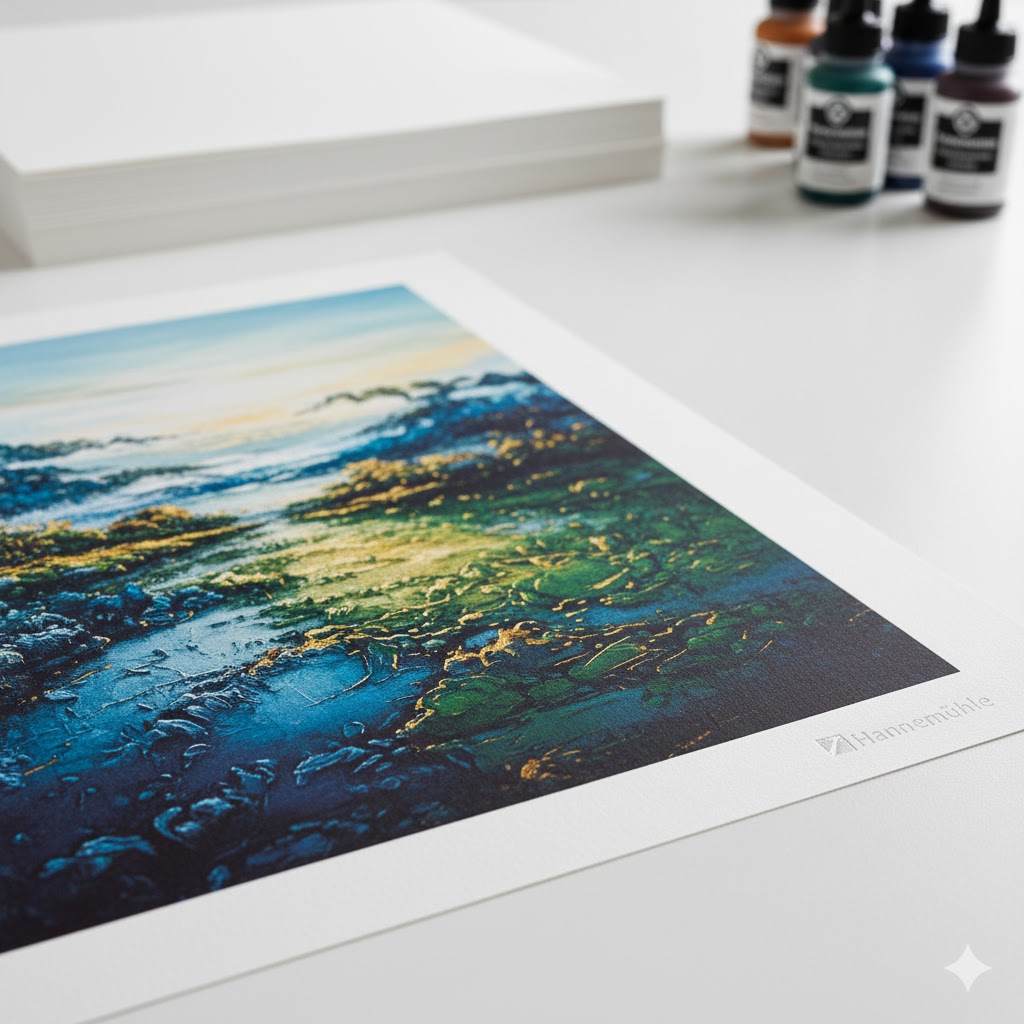
Giclée printing on Hahnemühle paper, museum grade fine art prints
Giclée printing has emerged as a premium method for producing museum-grade fine art prints, marking a significant advancement in the art reproduction industry. This innovative technology utilizes archival inkjet art printing techniques, ensuring that art reproductions maintain the vibrancy and detail of the original work over time. Among the best materials for this purpose is Hahnemühle paper, renowned for its exceptional quality, durability, and suitability for artists. In this comprehensive article, we will delve into the intricacies of giclée printing on Hahnemühle paper, explore the plethora of benefits offered by museum-grade fine art prints, and discuss the critical importance of archival inkjet technology in preserving artistic integrity for future generations.
The Essence of Giclée Printing
The term giclée is derived from the French word “gicler,” which translates to “to squirt.” This innovative process involves spraying microscopic droplets of ink onto specially designed paper, creating high-resolution images that are nearly indistinguishable from the original artwork. It is cherished in the art world for its ability to reproduce colors accurately and capture intricate details of artworks. The technology has revolutionized how artists and photographers share their work with the public, allowing for broader distribution and appreciation of fine art. Giclée prints are often considered equal to original artworks, especially when printed on premium surfaces like Hahnemühle paper, which enhances their aesthetic appeal and tactile experience.
Hahnemühle paper holds a prestigious reputation for its longevity and superior quality. Crafted from 100% cotton, this paper provides sturdy support and a luxurious texture that elevates the overall presentation of prints. Being acid-free, it ensures that the paper will not yellow or deteriorate over time, a crucial factor for archival quality. Artists often choose Hahnemühle paper for giclée printing because it enhances the visual appeal of their work, allowing for a true representation of their artistic vision. For instance, a delicate watercolor painting will retain its subtle hues and gradients beautifully on Hahnemühle’s textured surfaces, while photographs can achieve a remarkable level of detail and vibrancy. This adaptability makes Hahnemühle a preferred choice among a wide range of artists.
Benefits of Museum-Grade Fine Art Prints
Museum-grade fine art prints are characterized by their exceptional quality and adherence to strict archival standards. These prints are designed to last for generations without fading or damage, making them valuable not just as art pieces but also as long-term investments. Artists and collectors alike appreciate the value of museum-grade prints, as they often become cherished pieces over time, passed down through generations. The allure of owning a piece of art that retains its beauty and integrity for decades enhances the emotional and financial value associated with these prints.
- Longevity: Museum-grade prints can last over a century when properly cared for, offering both aesthetic pleasure and a lasting investment for collectors.
- Color Fidelity: Giclée printing preserves the original colors of the artwork, making them vibrant and true to life, which is essential for maintaining the artist’s intent and vision.
- Texture and Feel: Hahnemühle paper adds a tactile quality to prints, enhancing their overall appeal and making them a pleasure to view up close. The texture can evoke emotions and draw the viewer into the artwork.
- Reproducibility: Artists can produce limited editions of their work, thereby increasing its value and providing collectors with exclusive options. This strategy not only appeals to collectors but also allows artists to reach a wider audience.
Collecting museum-grade fine art prints allows art enthusiasts to enjoy high-quality reproductions without the exorbitant costs associated with original artworks. This accessibility has democratized fine art to a degree, making it more available to the public while still maintaining a sense of exclusivity and prestige. Many collectors find joy in discovering emerging artists and adding their works to their collections, knowing that they are investing in pieces that will retain their value over time.
Archival Inkjet Art Printing: The Technology Behind Giclée
At the core of giclée printing lies archival inkjet art printing technology, a method that utilizes high-quality, pigment-based inks resistant to fading and deterioration. Unlike traditional dye-based inks, which can lose vibrancy over time, pigment inks provide a wider color gamut and improved longevity, ensuring that prints maintain their beauty for decades. This technological advancement plays a pivotal role in preserving the integrity of the original artwork, allowing for accurate reproductions that artists can feel proud to share with their audience.
One of the key aspects of archival inkjet printing is the selection of ink. Many artists prefer using inks that meet rigorous museum standards. These inks are designed to withstand the test of time, ensuring that prints remain vibrant and true to the original artwork. The use of specialized printers capable of accommodating these inks further elevates the quality of the final product, as these printers are engineered to achieve the highest possible resolution and detail.
The Process of Giclée Printing
The giclée printing process consists of several key steps, each crucial to achieving the highest quality print. Understanding these steps can illuminate why this method is favored by artists and collectors alike, and it underscores the importance of attention to detail.
- Digitization: The artwork is meticulously scanned using high-resolution scanners to create a digital file that captures every detail, allowing for an accurate reproduction. This step is vital, as any imperfection in the scanning process can affect the final print.
- Color Correction: The digital file is adjusted to match the original artwork’s colors accurately, ensuring that the final print stays true to the artist’s vision. This often involves using color calibration tools to achieve precise results.
- Printing: The adjusted file is printed using a giclée printer on Hahnemühle paper with archival inks, resulting in a stunning print that reflects the original artwork’s essence and details.
- Finishing Touches: Prints may be varnished or framed to enhance protection and presentation, adding an extra layer of professionalism and care. This step not only protects the print but also elevates its aesthetic appeal, making it gallery-ready.
This meticulous process ensures that each print is a true representation of the artist’s vision. The investment in quality materials and technology pays off by producing stunning artworks that can be enjoyed for years to come, making giclée prints a worthwhile addition to any art collection. Many artists find that the ability to produce high-quality reproductions allows them to reach a wider audience while still maintaining the integrity of their original works.
Choosing the Right Hahnemühle Paper
When it comes to giclée printing, selecting the right type of Hahnemühle paper is essential, as it can significantly impact the final product. The Hahnemühle brand offers various options, each suitable for different styles of art and artistic intent. Understanding the unique qualities of each paper can help artists make informed choices that align with their vision and the nature of their artwork.
- Photo Rag: A popular choice for photographic reproductions, this paper is known for its smooth surface and vibrant color reproduction, making it ideal for capturing the nuances of photography. It allows for crisp details and excellent tonal range.
- Fine Art Baryta: This paper mimics traditional baryta prints, offering a rich texture and deep blacks that enhance the contrast and detail of fine art reproductions. Artists appreciate the classic feel it brings to their prints.
- German Etching: Ideal for fine art reproductions, this paper features a textured surface that adds depth and character to prints, making it perfect for artworks that benefit from a tactile quality. The texture can enhance the experience of viewing prints, inviting closer inspection.
Artists should carefully consider the nature of their work when selecting paper. For example, photographs may benefit from a smoother surface that emphasizes clarity and detail, while textured papers can enhance paintings and drawings by adding depth and a unique tactile experience. The right choice not only elevates the artwork’s overall impact but also aligns with the artist’s creative goals, allowing them to showcase their work in the best possible light.
Market Trends and Consumer Demand
The market for giclée prints on Hahnemühle paper has expanded significantly in recent years, reflecting a broader trend toward high-quality art reproductions. As consumers increasingly seek fine art for their homes and personal collections, the demand for museum-grade fine art prints continues to rise. This shift has prompted many artists to recognize the value of offering limited edition prints, creating a sense of exclusivity that appeals to buyers who are looking for unique and one-of-a-kind pieces that stand out in their collections.
Online platforms have made it easier for artists to market their work, breaking down geographical barriers and allowing them to reach a global audience. Through social media and dedicated art websites, artists can showcase their giclée prints to a wider audience, significantly increasing the visibility and potential sales of their work. Collectors appreciate the convenience of purchasing artworks online, particularly when they are assured of the quality associated with Hahnemühle paper, which is synonymous with excellence in the fine art community.
Q&A: Common Questions about Giclée Printing
As giclée printing gains popularity, many potential buyers and artists have questions. Here are some of the most frequently asked questions regarding giclée printing on Hahnemühle paper, along with informative answers that can help guide your understanding and decision-making.
- What is the difference between giclée printing and traditional printing? Giclée printing uses advanced inkjet technology and high-quality materials, resulting in superior color accuracy and detail that far surpasses traditional printing methods. The meticulous process ensures that the final product reflects the artist’s intent closely.
- How long will a giclée print last? When printed on archival materials like Hahnemühle paper and stored properly, giclée prints can last over 100 years, making them a durable choice for collectors who value longevity in their art.
- Can I frame my giclée print? Yes, framing is recommended to protect your print from UV light and dust, ensuring its longevity and preserving its visual quality. Proper framing techniques can also enhance the presentation of the artwork.
- Are all giclée prints created equal? No, the quality of the print depends on the printer, inks, and paper used. It’s essential to choose reputable printers and high-quality materials for the best results, as these factors significantly influence the final product’s appearance.
These questions highlight the importance of understanding giclée printing and its benefits. Whether you are an artist looking to create stunning reproductions of your work or a collector seeking high-quality art for your home, knowledge is key to making informed decisions that enhance your experience. Engaging with professionals and seeking guidance can further enrich your understanding of this fascinating art form.
Conclusion: The Future of Giclée Printing
Giclée printing on Hahnemühle paper represents the pinnacle of fine art reproduction, combining advanced technology with high-quality materials to produce exquisite prints that stand the test of time. Artists can create stunning reproductions that not only capture the essence of their original works but also maintain their beauty and integrity, making them valuable additions to any art collection. The combination of advanced printing technology and exceptional materials sets giclée prints apart from traditional reproductions, offering both aesthetic appeal and lasting value for artists and collectors alike.
As the demand for museum-grade fine art prints continues to grow, it is vital for both artists and collectors to understand the nuances of this process. By investing in archival inkjet art printing and choosing the right paper, artists can ensure their works are enjoyed for generations to come, while collectors can confidently acquire pieces that reflect the highest standards of quality and craftsmanship.
In conclusion, giclée printing offers a unique opportunity for artists to share their work with a broader audience while maintaining the integrity of their original pieces. For collectors, it provides access to high-quality art that enhances any space, making fine art more accessible than ever. Embrace the beauty of giclée printing on Hahnemühle paper and discover the art of fine prints today. The world of giclée printing is ever-evolving, and staying informed about new techniques and trends can help both artists and collectors navigate this exciting landscape.
For further reading on this topic, consider visiting the following resources:
- Ultimate Guide to Giclée & Hahnemühle Fine Art Paper
- Fine Art Print Editions: Scarcity Drives Price
- Numbered Prints with COA: Boost Buyer Trust
References
National Archives. https://www.archives.gov/
