
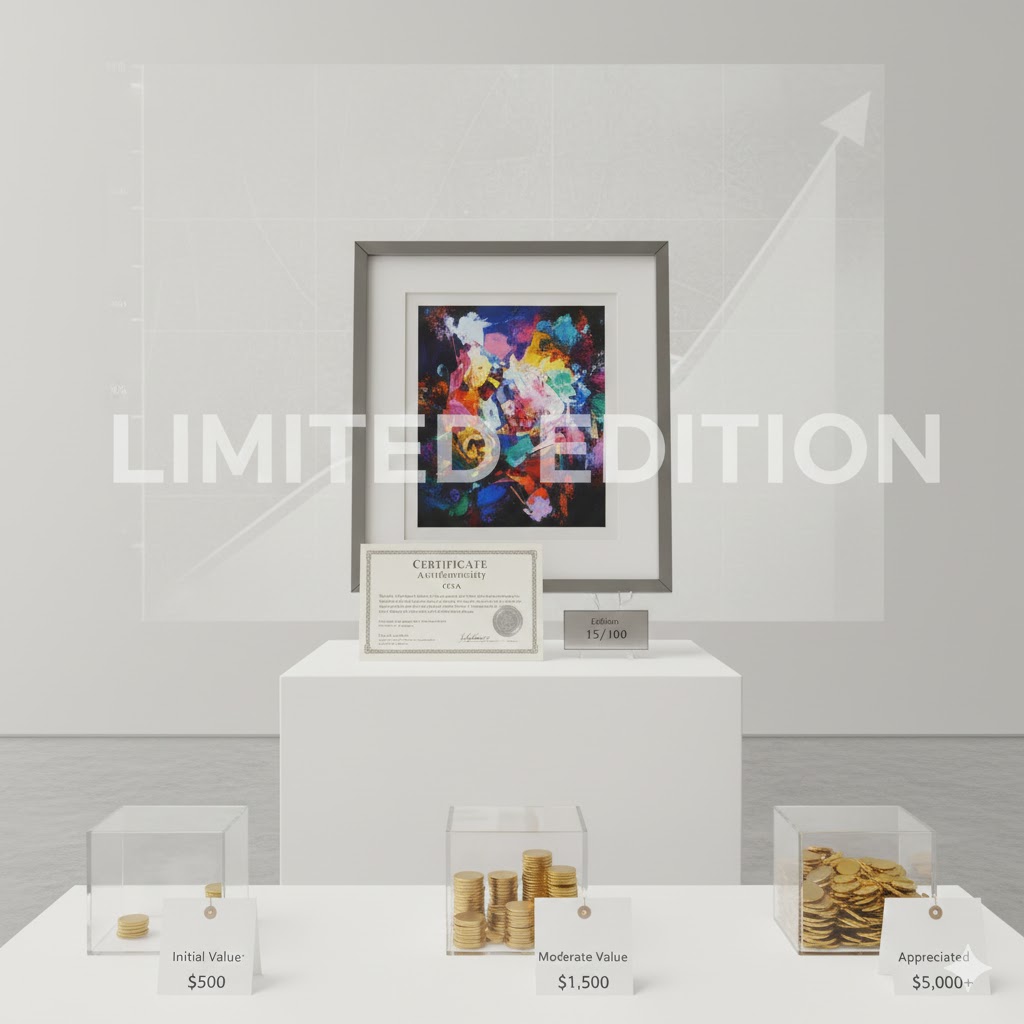
Why Limited Edition Fine Art Prints Increase in Value
In the world of art collecting, limited edition fine art prints hold a unique allure. They are not just pieces of art; they are investments that appreciate over time, often becoming valuable assets for collectors. Understanding why limited edition fine art prints increase in value is crucial for both collectors and artists alike. This article explores the various factors that contribute to the rising value of these prints, their significance in the art market, and how they can be a wise investment choice.
The Appeal of Limited Editions
Limited edition fine art prints are produced in a controlled number, typically signed and numbered by the artist. This exclusivity is a primary driver of their value. When an artist creates a limited series, they generate a sense of urgency among collectors. The fewer the prints, the more desirable they become. This appeal of scarcity can significantly enhance the perceived value of the artwork, leading to competitive bidding scenarios in auctions and increasing interest from potential buyers. For instance, a print limited to just 50 copies can attract much more attention than an open edition print, creating a rush among collectors eager to secure their piece.
Moreover, limited editions often come with a certificate of authenticity, a vital document that assures buyers they are purchasing a genuine piece. This assurance not only boosts confidence but also increases the willingness to invest. The emotional connection to a limited edition print can also increase its value, as collectors often feel they own a part of the artist’s legacy. For instance, a print from a beloved artist may evoke personal memories or aspirations, transforming it from merely an artwork into a piece of cherished history that resonates on a deeper level.
Artist Reputation and Market Trends
The reputation of the artist plays a significant role in the value of limited edition fine art prints. Established artists with a strong following often see their prints appreciate rapidly. Collectors are more likely to invest in works by artists who have a proven track record because they carry less risk. Market trends and demand for specific artists can fluctuate, affecting the value of their prints. For example, an artist who has recently been featured in major exhibitions, won prestigious awards, or gained media attention can experience a surge in demand, leading to a dramatic increase in their print prices.
For example, when a contemporary artist gains recognition through exhibitions or media coverage, the demand for their limited edition prints can skyrocket. This increase in demand often leads to a rise in prices, making early investments particularly lucrative. Conversely, if an artist’s popularity wanes due to changing tastes or negative publicity, the value of their prints may decline. Collectors who are keenly aware of these trends can strategically position themselves to capitalize on the ebbs and flows of the art market, ensuring they make informed decisions regarding their collections.
Quality of Materials and Craftsmanship
The materials used in creating limited edition fine art prints also impact their value significantly. High-quality paper and ink can elevate the print’s aesthetic appeal and longevity. Prints made on archival quality paper are considered more valuable because they resist fading and degradation over time, ensuring that the artwork remains vibrant and visually striking for years to come. Moreover, the choice of medium—whether it’s lithography, screen printing, or digital methods—can also play a crucial role in the print’s desirability. For instance, a giclée print, known for its high-resolution reproduction and color fidelity, is often regarded as superior due to its stunning detail and durability.
Additionally, the craftsmanship involved in the printing process contributes to the overall quality. Techniques such as giclée printing, which uses high-resolution digital printing, ensure that colors are vibrant and details are sharp. Collectors often seek prints that exhibit exceptional craftsmanship, as these factors enhance both visual appeal and investment potential. A print that showcases meticulous attention to detail and high standards of production is more likely to command a higher price in the market, making it a worthy addition to any collection.
The Role of Provenance
Provenance, or the history of ownership of an artwork, is another critical factor influencing the value of limited edition fine art prints. A print with a well-documented provenance is often more valuable than one without. Collectors appreciate knowing the artwork’s journey, including previous owners and exhibitions it may have been featured in. This well-established provenance can provide a narrative context that enriches the artwork’s significance and allure.
For instance, if a print was owned by a notable collector or featured in a prestigious gallery, its value may increase significantly. Provenance adds a layer of storytelling that can intrigue potential buyers and justify higher price points. Artworks with compelling histories often become conversation starters, increasing their overall appeal and marketability. Furthermore, documented provenance can safeguard against forgery and ensure the authenticity of the piece, which is paramount in high-stakes art transactions.
Investment Potential and Market Demand
Investing in limited edition fine art prints can be a lucrative venture, provided collectors do their due diligence. Understanding market demand is essential. When collectors recognize a trend or shift in preferences, they can make informed decisions about which prints to purchase. Timing is crucial; being attuned to the art market’s pulse can lead to buying opportunities that others may miss. For example, a sudden resurgence in interest for a particular artist or style can lead to rapid price increases, making early acquisition advantageous.
Some collectors focus on emerging artists, believing that investing early can yield substantial returns. These artists may currently be undervalued, and as their recognition grows, so too does the value of their work. Others may prefer to invest in works by established artists, ensuring they purchase pieces with a track record of appreciation. Regardless of the approach, staying informed about market trends and demand is crucial for maximizing investment potential. Following art publications, attending gallery openings, and joining art collector networks can provide valuable insights into emerging trends.
Collectibility and Community
The community surrounding limited edition fine art prints adds to their value. Collectors often form networks that share insights, tips, and recommendations. This community aspect fosters a sense of belonging and can drive demand for specific artists or styles. Auctions, exhibitions, and art fairs provide opportunities for collectors to connect, further enhancing the collectibility of limited edition prints. These social interactions not only help collectors make informed purchasing decisions but also contribute to a vibrant culture of appreciation for the arts.
Additionally, social media platforms have become powerful tools for artists and collectors. Artists can showcase their work to a global audience, increasing visibility and demand. Collectors can share their acquisitions, creating a buzz that can drive up prices as more individuals seek to own a piece from a trending artist. Online forums and social media groups dedicated to art collecting can serve as excellent resources for networking and discovering new talents, fostering an engaged and informed collector base.
Legal Aspects and Copyright
Understanding the legal aspects surrounding limited edition fine art prints is vital for both artists and collectors. Copyright laws protect the artist’s work, ensuring they maintain control over reproductions. This legal protection can affect the value of prints; unauthorized reproductions can devalue original prints and undermine the artist’s integrity. As such, collectors should be cautious and ensure that the prints they purchase are legitimate and produced according to copyright regulations.
Engaging with reputable galleries and dealers can provide assurance that the prints are authentic and appropriately licensed. This legal safeguard adds to the investment potential, as collectors are less likely to face issues that could diminish their prints’ value. Additionally, being aware of copyright laws helps collectors understand their rights regarding resale and reproduction, which is especially important for maintaining the integrity of their investment. Knowledge of these laws can empower collectors to make sound decisions when navigating the art market.
Future of Limited Edition Fine Art Prints
As technology continues to evolve, the future of limited edition fine art prints looks promising. Digital art and NFTs (non-fungible tokens) are gaining traction, leading to new forms of limited editions. These innovations can broaden the market, attracting younger collectors who may have previously overlooked traditional prints. The integration of technology into the art space could redefine how collectors engage with art and how value is perceived. For instance, NFTs allow artists to sell digital works as unique items, creating new avenues for collectors to invest in art.
Moreover, the ongoing interest in art as an investment is likely to sustain demand for limited edition prints. As more individuals recognize the potential financial benefits, the market for these artworks may continue to expand. The emergence of virtual art galleries and online marketplaces further enhances accessibility for collectors worldwide. However, collectors must remain informed and adaptable to navigate the changing landscape of the art world, as trends can shift rapidly in response to cultural and economic factors.
Q&A Section
Q: How can I determine the value of a limited edition fine art print?
A: The value can be assessed based on factors like the artist’s reputation, print quality, condition, and provenance. Consulting art appraisers or galleries can also provide insights into the current market value.
Q: Are limited edition prints a good investment?
A: Yes, if chosen wisely. Limited editions often appreciate in value, especially by recognized artists. Researching trends and understanding the market is essential for successful investments.
Q: What should I look for when purchasing a limited edition print?
A: Ensure the print is from a reputable source, check for a certificate of authenticity, and evaluate the artist’s history and market demand for their work. Understanding the print’s condition and edition size is also crucial.
Q: Can I resell limited edition prints?
A: Yes, many collectors buy limited edition prints with the intention of reselling them later. The resale value will depend on various factors, including market demand, the original purchase price, and the print’s condition.
Conclusion
In conclusion, understanding why limited edition fine art prints increase in value is crucial for anyone interested in art collecting. The appeal of scarcity, combined with the artist’s reputation, quality of materials, and provenance, all contribute to the value of these prints. Additionally, the investment potential and the vibrant community surrounding limited edition prints create an enticing landscape for collectors.
As the art market continues to evolve, staying informed about legal aspects, market trends, and the growing role of technology is essential. With careful consideration and research, investing in limited edition fine art prints can be both a fulfilling and profitable endeavor. Whether you are a seasoned collector or a newcomer, the world of limited edition prints offers endless possibilities for appreciation and connection to the art world.
For further reading on this topic, consider exploring articles that delve deeper into the nuances of fine art prints and their market dynamics: The Ultimate Guide to Giclée Hahnemühle Fine Art Paper and Fine Art Print Editions: Scarcity Drives Price.
By understanding the factors that contribute to the value of limited edition fine art prints, you can make informed decisions that enhance both your collection and your investment portfolio.
References
National Endowment for the Arts: https://www.arts.gov
