
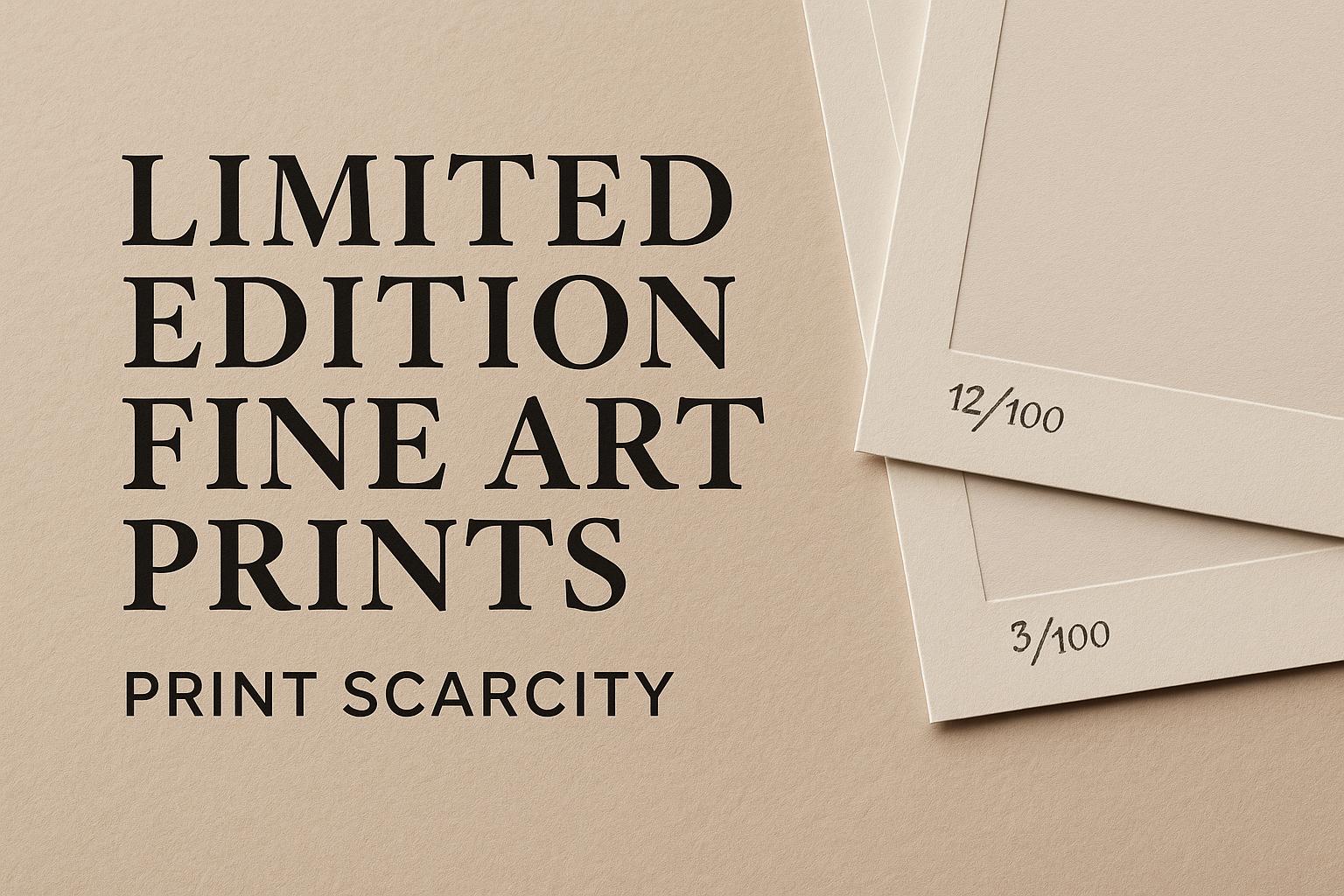
Limited edition fine art prints, print scarcity art value
In the realm of art collecting, few items evoke as much passion and intrigue as limited edition fine art prints. These prints not only provide a glimpse into the artist’s vision but also embody a unique blend of scarcity and value that attracts collectors worldwide. The allure of limited edition prints lies in their exclusivity, making them highly sought after in the art market. In this article, we will explore the significance of print scarcity, the value it brings to collectible art print editions, and why investing in limited edition fine art prints can be a rewarding experience.
The Allure of Limited Edition Fine Art Prints
Limited edition fine art prints are produced in a restricted number, enhancing their desirability. The concept of scarcity plays a crucial role in determining their value. When an artist decides to create a limited edition, they set a fixed number of prints that will ever be made available. This decision is often influenced by the desire to maintain the integrity of the work and to ensure that each piece retains its uniqueness. For example, an artist might choose to limit their prints to 100 copies, creating a sense of urgency and exclusivity among collectors.
As collectors, we are naturally drawn to items that are rare and distinctive. Limited edition prints often come with a certificate of authenticity, which further solidifies their value. This certificate provides proof of the print’s edition number and the artist’s signature, making it a vital component for collectors who wish to invest in art. Moreover, the presence of this certificate can significantly enhance the print’s resale value, as future buyers will be more inclined to purchase pieces that have verifiable authenticity.
The Factors Influencing the Value of Limited Edition Prints
Several factors influence the value of limited edition fine art prints. These include the artist’s reputation, the print’s condition, and the size of the edition. An artist with a well-established career typically commands higher prices for their work. For instance, prints from renowned artists like Andy Warhol or Damien Hirst can fetch astronomical prices, often due to their established legacies in the art world. Additionally, the condition of the print, whether it is framed or unframed, can significantly affect its market value. Prints that are well-preserved and displayed in high-quality frames are more appealing to potential buyers.
The size of the edition also plays a pivotal role in determining value. A smaller edition size usually results in a higher price point due to the limited availability. Collectors are often willing to pay a premium for prints that are part of a smaller edition, as this enhances the uniqueness of their collection. For example, an artist may create a series of only 10 prints, driving demand and desirability among collectors who are eager to own something truly rare.
Furthermore, the medium used for the print can impact its value. For instance, giclée prints, known for their high quality and color accuracy, have gained popularity among collectors. As discussed in our ultimate guide to giclée prints, the technique used affects not only the print’s appearance but also its longevity and value. Giclée prints, produced using archival inks and papers, often come with a higher price tag due to their durability and vivid reproduction of colors.
Collectible Art Print Editions: A Growing Market
The market for collectible art print editions is steadily growing. As more individuals become interested in art collecting, the demand for limited edition prints continues to rise. This trend is fueled by the increasing accessibility of art through online platforms, allowing collectors to discover and purchase prints from the comfort of their homes. Online marketplaces like Saatchi Art and Artsy have made it easier for both emerging and established artists to showcase their work, breaking down traditional barriers to entry in the art world.
This democratization of art has led to a surge in the number of limited edition prints available, providing collectors with a diverse range of options. It is essential to stay informed about current trends and emerging artists, as these factors can influence the future value of prints. For instance, an artist who gains significant media attention or wins a prestigious award may see their limited edition prints appreciate in value rapidly. Collectors should consider researching not only established artists but also promising newcomers to the scene.
Moreover, the emotional connection that collectors develop with their art significantly enhances its perceived value. Many collectors view art as an investment, but they also appreciate the joy and fulfillment that comes from owning a piece that resonates with them personally. This emotional aspect can be just as important as the financial return; for many, the experience of living with art that inspires them is invaluable.
Understanding Market Trends and Future Value
As collectors, understanding market trends is crucial for making informed decisions about purchasing limited edition fine art prints. Researching recent sales and auction results can provide insights into which artists and styles are gaining popularity. This information can guide collectors in selecting prints that are likely to appreciate in value over time. For example, an uptick in interest in contemporary abstract art might suggest that investing in prints from artists within that genre could yield a good return.
Engaging with the art community, attending exhibitions, and participating in art fairs can also enhance a collector’s knowledge of the market. Networking with other collectors and art professionals can reveal valuable insights and opportunities for acquiring sought-after prints. Many collectors find that joining art clubs or attending workshops can provide not only knowledge but also connections that lead to exclusive purchasing opportunities.
Investing in Limited Edition Fine Art Prints: A Wise Choice
Investing in limited edition fine art prints can be a wise choice for both seasoned collectors and newcomers to the art world. The potential for value appreciation, combined with the aesthetic pleasure of owning art, makes this an appealing investment option. However, it is essential to approach the art market with careful consideration and research. Collectors should not only focus on the financial aspects but also on how the art they choose reflects their personal tastes and values.
Building a collection that reflects personal preferences while considering the potential for future value is crucial. Diversifying your collection by including prints from various artists and styles can mitigate risks associated with market fluctuations. For instance, if a collector has a strong focus on contemporary prints, they might also consider adding pieces from classical artists or different genres to create a well-rounded collection.
Additionally, investing in limited edition prints from reputable galleries and established artists can provide a level of assurance regarding the quality and authenticity of the artwork. Always seek advice from art professionals or appraisers when making significant purchases. They can help in assessing not only the current value but also the potential future worth of pieces in your collection.
Q&A: Addressing Common Questions About Limited Edition Prints
As the interest in limited edition fine art prints grows, so does the number of questions surrounding them. Below are some common queries that potential collectors might have.
1. What is the difference between a limited edition print and an original artwork?
A limited edition print is a reproduction of an original artwork produced in a specified quantity. Each print is usually signed and numbered by the artist. In contrast, an original artwork is a unique piece created by the artist, with no reproductions made. Limited edition prints offer a more affordable way to own art without compromising on quality, making them an attractive option for many collectors.
2. How do I determine the value of my limited edition print?
The value of a limited edition print can be assessed by considering factors such as the artist’s reputation, the edition size, condition, and market demand. Consulting with an art appraiser or researching recent sales of similar works can provide valuable insights into the print’s worth. Additionally, online auction sites often provide a historical context for pricing, which can be useful for determining current market value.
3. Can I frame my limited edition print?
Absolutely! Framing your limited edition print is a great way to protect it and display it in your home. When framing, choose materials that are acid-free to prevent damage over time. Proper framing not only enhances the aesthetic appeal but also preserves the print’s integrity, ensuring it remains a valuable piece of art for years to come.
4. Where can I buy limited edition prints?
Limited edition prints can be purchased from a variety of sources, including online art marketplaces, galleries, and art fairs. It is essential to ensure that the seller provides a certificate of authenticity to confirm the print’s legitimacy. Additionally, attending local art events can also present opportunities to purchase directly from artists, often at a lower cost compared to galleries or online platforms.
Conclusion: The Timeless Value of Limited Edition Fine Art Prints
In conclusion, limited edition fine art prints represent a fascinating intersection of art, scarcity, and value. Collectors are drawn to their uniqueness and the emotional connection they foster. Understanding the factors that influence the value of these prints, as well as staying informed about market trends, can empower collectors to make wise investment decisions. As the art market continues to evolve, the appeal of limited edition prints will likely endure.
Investing in these pieces not only offers aesthetic pleasure but also the potential for financial gain. Whether you are a seasoned collector or just beginning your journey into the world of art, limited edition fine art prints provide an exciting opportunity to enrich your life with beauty and creativity. For those looking to dive deeper into the subject, consider exploring resources such as how scarcity drives the price of fine art prints and the importance of numbered prints with certificates of authenticity. These articles offer valuable insights that can enhance your understanding of the art market.
References
National Endowment for the Arts: https://www.arts.gov
